
GPT-5.3 Instant vs More Open AI Tools: What Changed, What Didn’t
GPT-5.3 Instant has drawn attention because many users feel it is easier to work with than some earlier mainstream AI experiences. Responses often feel more direct, less padded, and less likely to derail into generic safety language.
That change matters. A model does not have to become radically different to feel substantially better in practice. If an assistant answers more plainly, follows the prompt more closely, and refuses less awkwardly in borderline cases, users notice immediately.
But there is an important distinction that often gets lost in discussions around newer mainstream models:
Less restrictive does not mean uncensored.
That difference is what this article is about.
What Seems to Have Improved in GPT-5.3 Instant
Users who describe GPT-5.3 Instant as “less restrictive” are usually responding to experience, not policy documentation. In practice, what they often mean is:
the model sounds more natural
the tone feels less preachy
mild edge-case prompts are handled more smoothly
answers are more direct
the assistant is less likely to bury useful content under defensive framing
Those are meaningful product improvements. For many users, they are more important than benchmark headlines.
An AI tool that feels smoother, calmer, and more willing to engage is often perceived as much smarter, even if its policy boundaries are still broadly intact.
What Has Not Changed
This is where expectations need to stay realistic.
A mainstream hosted model can become easier to use without abandoning moderation. GPT-5.3 Instant may feel freer in tone, but that does not automatically mean it now supports:
broad adult content generation
highly permissive sensitive-topic handling
unrestricted roleplay
zero-review privacy expectations
completely open-ended controversial output
In other words, the user experience may improve while the product still remains clearly governed.
That distinction matters because many users are not actually asking, “Is this model slightly less annoying?” They are asking one of several more specific questions:
Will it let me explore mature fictional scenarios?
Will it stop refusing edge-case prompts?
Will it store or review what I ask?
Can I use it for creative workflows that mainstream tools reject?
Can I rely on it for more private or less moderated interaction?
Those are different questions, and they require a broader comparison.
What “More Open” AI Tools Usually Mean
When users compare mainstream AI with more open tools, they are usually comparing one of three categories.
1. Mainstream Hosted AI
These tools tend to offer:
polished user experience
strong reliability
broad accessibility
mainstream safety boundaries
less control over moderation and infrastructure
GPT-5.3 Instant fits most naturally here.
2. Open-Weight or Local Models
These can offer:
more control
stronger privacy if self-hosted
broader flexibility
custom workflows
more setup complexity
less convenience for non-technical users
This category appeals most to users who care about control more than friction.
3. More Permissive Hosted Platforms
This category often appeals to users who want:
easier access than local deployment
broader creative latitude
support for sensitive or mature workflows
a different moderation balance
more flexibility across chat, image, and video
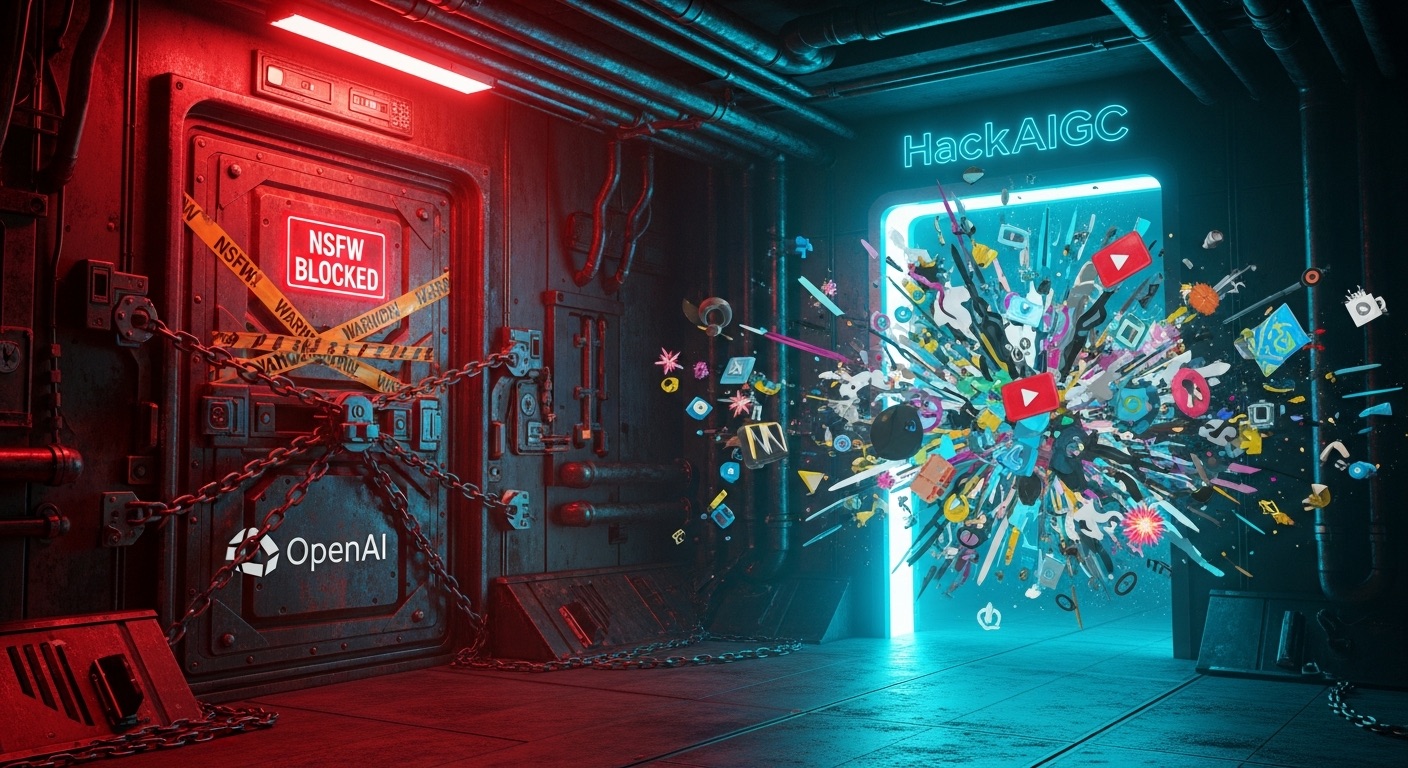
This is the space where some users begin looking at platforms like HackAIGC, especially if they want a simpler alternative to self-hosting while still needing a workflow that feels more open than mainstream tools.
When GPT-5.3 Instant Is Probably Enough
For many users, GPT-5.3 Instant will be enough.
It is a good fit if your priorities are:
general writing and editing
brainstorming
everyday productivity
coding help within normal boundaries
mainstream reliability
lower-friction interaction without needing unusual freedom
If your biggest complaint about older tools was “they feel too cautious” rather than “they fundamentally block my workflow,” then a smoother mainstream model may solve most of your frustration.
When Users Start Looking for More Open Tools
The decision changes when the user’s needs go beyond tone.
People usually look for more open alternatives when they need some combination of:
fewer refusals in edge-case creative work
more permissive handling of mature content
broader support for unconventional fictional scenarios
stronger privacy expectations
less dependence on mainstream trust-and-safety design
image or video workflows that standard tools may restrict
That does not automatically mean one category is better. It means the task has changed.
A mainstream tool optimized for mass-market safety is solving a different problem than a tool optimized for privacy, latitude, or niche creative use.
How to Compare the Options Realistically
If you are choosing between GPT-5.3 Instant and a more open alternative, it helps to evaluate them across practical dimensions rather than marketing language.
Moderation Style
Does the product simply sound more natural, or does it truly allow broader categories of use?
Privacy Expectations
Are prompts stored, logged, or potentially reviewed? Can you verify the provider’s position?
Workflow Fit
Do you need only chat, or also image and video capability?
Ease of Use
Would you rather have a polished hosted product, or are you willing to trade convenience for control?
Content Boundaries
What does the tool still refuse, and how often do those boundaries actually affect your work?
Reliability
A more permissive tool is not automatically a better one if output quality or usability suffers too much.
Final Take
GPT-5.3 Instant matters because it appears to improve the mainstream AI experience in a way users can actually feel. A model that is more direct, less padded, and less awkwardly defensive is genuinely more useful.
But it is still important not to confuse tone improvement with a different product category.
A smoother mainstream model is still a mainstream model.
For many users, that is exactly what they want. If your work is mostly ordinary productivity, writing, research, and structured assistance, GPT-5.3 Instant may be more than enough.
But if your needs involve:
broader creative freedom
mature-topic tolerance
more private usage
more permissive visual workflows
less dependence on mainstream moderation logic
then comparing it with more open tools becomes reasonable.
The best choice is not the one with the boldest branding. It is the one whose boundaries, privacy model, and workflow design actually fit the work you need to do.
And increasingly, many users will not settle on one universal tool. They will use a mainstream assistant for general tasks, then rely on more specialized platforms when the workflow calls for a different balance of openness, privacy, and control.